The Analogue Estate: Finding the Devices Your Phone Migration Forgot

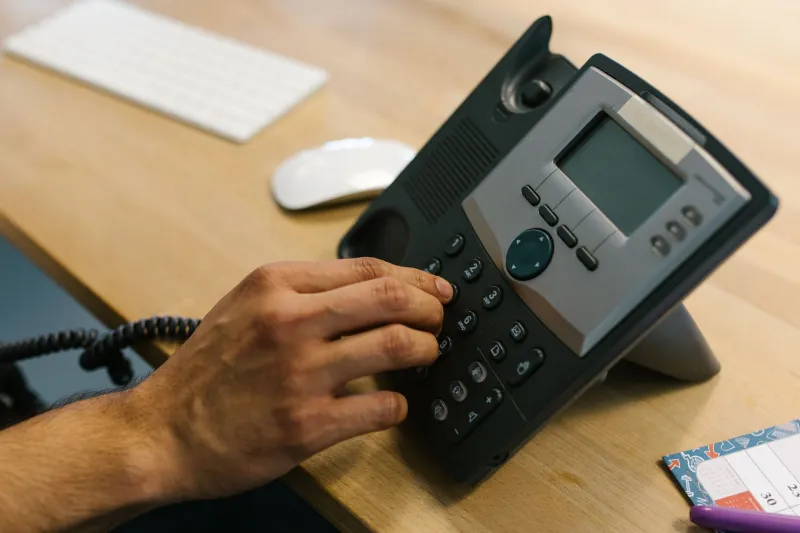
Photo: Ricardalovesmonuments, CC BY-SA 4.0, via Wikimedia Commons
As of November 2026, the retirement of the UK's public switched telephone network is less a future project than a live constraint on premises planning. Many organisations have reviewed their desk phones, chosen a VoIP platform and booked a cutover date. Fewer have walked the building to find the devices that were never designed to join a meeting.
That gap matters because the analogue estate is rarely managed by the person buying the phone system. A lift emergency line may belong to the lift maintainer. A fire alarm signalling path may sit with the fire systems contractor. A card terminal may be supplied by the bank or payments provider. The result is a migration plan that looks complete on the IT asset register but leaves operational dependencies on copper.
Why the handset count is not an inventory
A handset audit tells you what people use to make calls. It does not tell you what uses a phone line to stay safe, compliant or trading. Analogue lines are often embedded in equipment with a long service life: alarms, entry systems, payment terminals and legacy fax machines. They may share a line, use a dedicated pair, or connect through a private branch exchange that is itself being replaced.
Start by treating connectivity as a dependency rather than a utility. For each device, the question is not simply whether it has a phone number, but what happens to the business if this line stops, and who is responsible for changing it.
Where analogue devices hide
A structured walk-through will usually surface more than the initial list. Look beyond the comms room and reception desk.
- Lift emergency lines. These may use a dedicated analogue line or an auto-dialler. The lift contractor, building owner and facilities team may each hold part of the answer.
- Fire alarm signalling. Many panels use analogue or dedicated signalling paths to a monitoring centre. Migration must be approved by the alarm receiving centre and the system maintainer.
- Intruder alarms and CCTV. Alarm signalling, remote monitoring and some older CCTV transmission systems can depend on copper.
- Payment terminals. PDQ devices may use a phone line for authorisation, especially in smaller sites or backup configurations.
- Fax machines. Still present in health, legal, property and logistics workflows, often for a small number of critical correspondents.
- Door-entry and access systems. Some intercoms and gate controllers use analogue lines to dial a handset or concierge.
- EPOS and back-office equipment. Older tills, time clocks and specialist terminals may use dial-up or analogue fallback.
- Telecare and lone-worker devices. Any personal alarm or monitored device needs a connectivity route that the supplier has approved.
The list is not exhaustive, and that is the point. The map should reflect your premises, not a generic checklist.
Building a device dependency map
A device dependency map is a simple register with enough detail to support decisions. For each item, record:
- Device name and location.
- Business owner and technical maintainer.
- Supplier and contract reference.
- Line type, number and exchange route, where known.
- Criticality: safety, compliance, revenue or convenience.
- Current fallback, such as a mobile phone or manual process.
- Approved migration route and any supplier sign-off required.
- Target date and responsible person.
Ask facilities, health and safety, security, finance, front desk, IT and the landlord. Then ask the suppliers. A lift contractor may know the line is required for emergency communication but not know which provider supplies it. A fire alarm maintainer may specify a signalling path but leave the telecoms order to you. Record those boundaries explicitly.
When a supplier says it is not their problem
The most common obstacle is not technical. It is the gap between contracts. The device maintainer says the line is your responsibility. The line provider says the device is not theirs. The landlord says the building service is managed elsewhere.
Resolve this in writing, not by assumption. Ask each party four questions:
- What connectivity does the device require, and which variants are approved?
- What happens if the analogue line is withdrawn on the planned date?
- Who is responsible for ordering, configuring and testing the replacement?
- What evidence will confirm the device is working after migration?
If the answer is that it is not their problem, ask them to confirm that in writing and state what they believe your responsibility is. That exchange is often enough to reveal the real owner. For safety-critical systems, do not accept a generic assurance that it will work over IP. Obtain the manufacturer's or maintainer's approval for the specific route.
Choosing a route without drama
There is no single replacement for every analogue device. Some equipment can move to a SIP-compatible adapter or an IP signalling path. Some is better served by a mobile or cellular route. Some should be replaced because the existing unit is end-of-life or cannot be supported over the new network. A few may need a managed hybrid arrangement during transition.
The right route depends on the device, the site and the supplier's approval. For fire and lift systems, the decision belongs with the responsible competent person and the maintainer, not the telecoms buyer alone. For payment terminals, ask the payments provider which connectivity options it supports. For fax, confirm whether a digital fax service or secure email route is acceptable to the recipient.
A practical 90-day sequence
Begin with a site walk and a named owner for the map. Within the first month, list devices, suppliers and contracts, and flag safety-critical items. In the second month, obtain written migration positions from each supplier and test one non-critical device on the proposed route. In the third month, schedule replacements and cutovers, with a fallback for each critical device and a post-migration test record.
The aim is not to create a large project for its own sake. It is to make sure the phone migration does not quietly leave a lift line, fire panel or payment terminal behind. The copper network may be retiring, but the dependencies on it are still real. For Lascom, the practical test is simple: can you name the owner of every line that matters, and can they prove the replacement has been tested? A calm map, clear ownership and written approvals will do more than a last-minute call to the line provider.